two women jogging

Understanding COVID-19 risks helps protect your health and wellness ROUTINES

AS COVID-19 CONTINUES TO EVOLVE, YOUR IMMUNE SYSTEM MAY NOT BE READY TO PROTECT YOU AGAINST DIFFERENT VERSIONS OF THE VIRUS.

The virus that causes COVID-19 changes often. The different versions of the virus that appear are called variants. Some variants will appear then disappear, while others will appear and continue to spread.
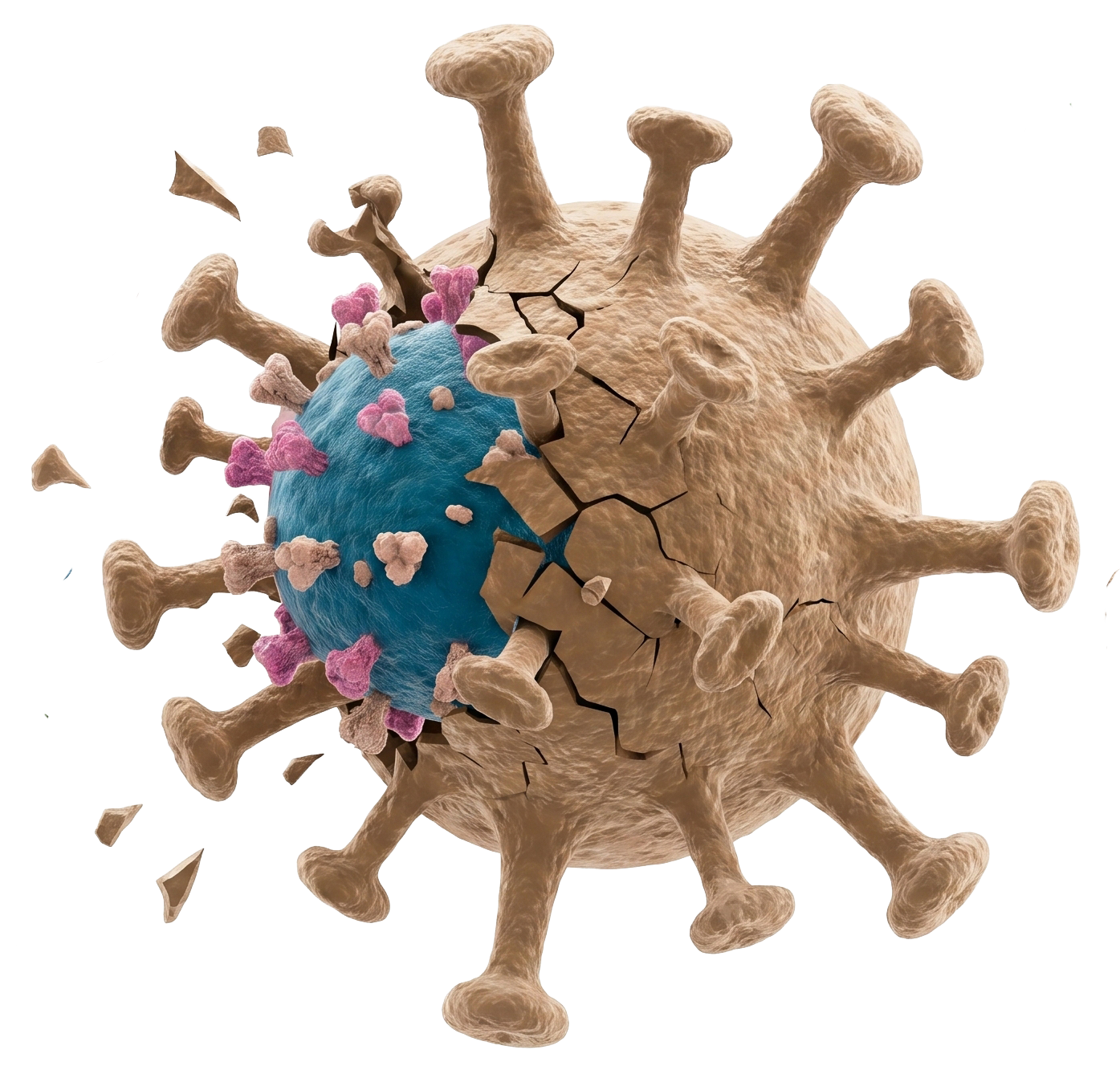
illustration of SARS-CoV-2 particle evolving

You may think COVID-19 is not a concern anymore, but it is, for everyone. For people with weakened immune systems, it still poses a significant risk.

COVID-19 symptoms may appear 2-14 days after exposure to the virus.

Symptoms may include:

  • Fever or chills
  • Sore throat
  • Muscle or body aches
  • Cough
  • Congestion or runny nose
  • Headache
  • Shortness of breath or difficulty breathing
  • New loss of taste or smell
  • Nausea or vomiting
  • Fatigue
  • Diarrhea
  • Fever or chills
  • Cough
  • Shortness of breath or difficulty breathing
  • Sore throat
  • Congestion or runny nose
  • New loss of taste or smell
  • Fatigue
  • Muscle or body aches
  • Headache
  • Nausea or vomiting
  • Diarrhea

Your symptoms can change with COVID-19 variants and vaccination status.

Did you know that some medications can weaken your immune system and increase your risk of becoming very sick?

A 2023 review of COVID-19–related research found that the impact of the pandemic negatively affected lifestyle and mental health, with increases in:

Sedentary

behavior
Anxiety
Screen
time
Smoking
Alcohol
consumption

This information comes from a 2023 review of multiple studies examining the effects of the COVID-19 pandemic on lifestyle and mental health. One study included in this review, called the COMET study, was an international study examining how the COVID-19 pandemic affected people's mental health in 40 countries.

Did you know that COVID-19 is a year-round threat that historically surges in summer and winter?

Chart showing the wastewater COVID-19 viral activity level from June 2025 through March 2026. The chart shows spikes in viral activity from July through September of 2025 and December 2025 through January 2026.

Wastewater is any water that has been changed by human use. It includes water from sinks, showers, toilets, and washing machines. It can also come from rain runoff, businesses, and factories. Wastewater monitoring is a tool that helps communities stay informed and take action if the wastewater shows increasing levels of viruses. The chart above shows results for SARS-CoV-2, the virus that causes COVID-19. Samples were collected at facilities that are part of the CDC’s National Wastewater Surveillance System.

Source: US Centers for Disease Control and Prevention (CDC).
COVID-19, coronavirus disease 2019.

More than 1 in 3 people who tested positive for COVID-19 experienced long-covid effects that can impact the function of the heart, brain, and lungs.

Other commonly reported long–COVID-19 symptoms can include:
General symptoms

  • Tiredness or fatigue that interferes with daily life
  • Symptoms that get worse after physical or mental effort
  • Fever

Other symptoms

  • Joint or muscle pain
  • Rash
  • Changes in menstrual cycles

Respiratory and heart symptoms

  • Difficulty breathing or shortness of breath
  • Coughing
  • Chest pain
  • Fast-beating, fluttering, or pounding heart (also known as heart palpitations)

Neurological symptoms

  • Difficulty thinking or concentrating (sometimes referred to as "brain fog")
  • Headaches
  • Sleep problems
  • Dizziness when you stand up (lightheadedness)
  • Pins-and-needles feelings (tingling)
  • Change in smell or taste
  • Depression or anxiety

Digestive symptoms

  • Diarrhea
  • Stomach pain
  • Constipation

DISCOVER STRATEGIES TO HELP PROTECT YOURSELF FROM COVID-19.

Read about prevention strategies